
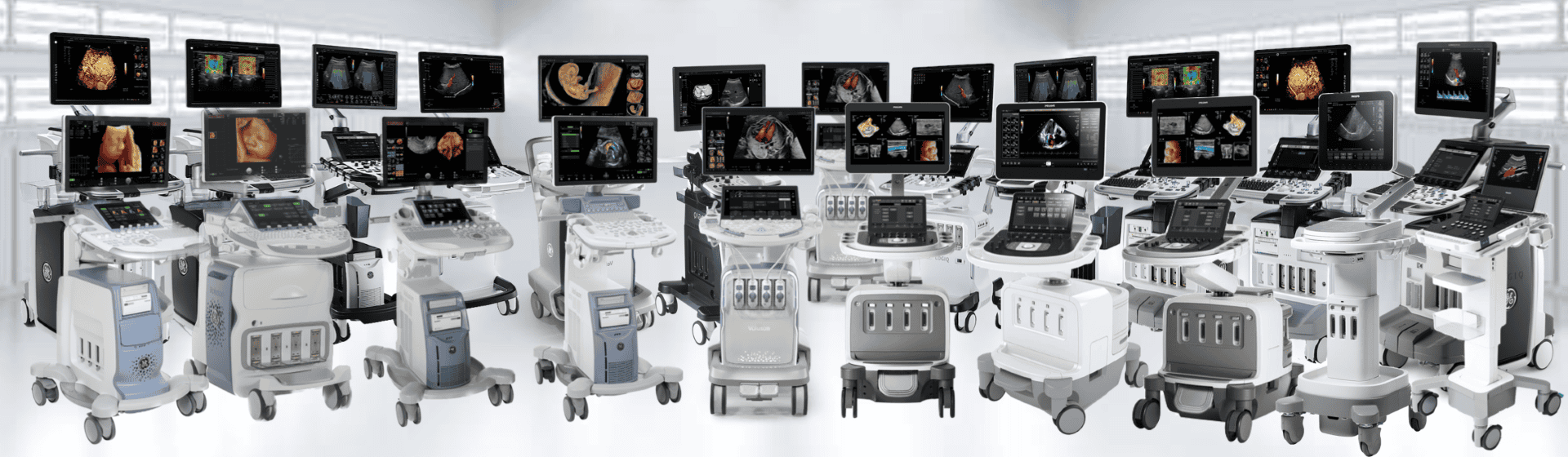
As healthcare providers continue to balance rising demand with tightening budgets, the refurbished and used ultrasound equipment market is entering 2026 with strong momentum. Market indicators point to sustained growth, driven by cost-efficiency, increasing diagnostic imaging needs, and the integration of advanced technologies that are extending the life and value of pre-owned systems.
Industry projections estimate that the broader refurbished medical imaging equipment market will grow at a compound annual growth rate of more than 7% through 2033, underscoring the long-term opportunity for healthcare facilities seeking high-quality imaging solutions without the premium price tag.
Key Drivers Fueling Market Growth
Cost-Effective Access to Advanced Imaging
One of the most significant drivers behind the growth of refurbished ultrasound equipment is affordability. Refurbished systems typically offer savings of 40 to 60 percent compared to new equipment, making advanced diagnostic capabilities accessible to hospitals, clinics, outpatient centers, and private practices operating under budget constraints. This cost advantage is particularly impactful in emerging markets and smaller facilities seeking to expand imaging services without compromising quality.
Rising Demand for Diagnostic Imaging
The global increase in chronic conditions such as cardiovascular disease, cancer, and musculoskeletal disorders continues to fuel demand for diagnostic imaging. Ultrasound remains a first-line, non-invasive diagnostic tool across many clinical applications, and the need for additional imaging capacity is pushing healthcare providers to consider reliable, refurbished options.
Technological Advancements Extend Equipment Lifecycles
Refurbished no longer means outdated. Modern refurbishment processes often include software upgrades and enhanced functionality, allowing older ultrasound platforms to support features such as AI-assisted diagnostics, improved image processing, and 3D or 4D imaging. These enhancements help ensure refurbished systems remain clinically relevant and capable of meeting today’s diagnostic standards.
Growing Demand for Portable and Point-of-Care Ultrasound
The shift toward point-of-care diagnostics and decentralized care models is accelerating adoption of portable and handheld ultrasound devices. These systems are particularly well-suited for emergency medicine, rural healthcare, home-based care, and specialty clinics. As demand increases, the refurbished market is seeing strong interest in high-quality used portable units that deliver performance and mobility at a lower cost.
Sustainability and Regulatory Confidence
Sustainability is playing a growing role in healthcare purchasing decisions. Refurbished ultrasound equipment supports a circular economy by extending the usable life of medical devices and reducing environmental impact. Regulatory oversight also provides reassurance, with agencies such as the U.S. Food and Drug Administration requiring rigorous testing and validation for reprocessed and refurbished devices before they return to clinical use.
Strong Aftermarket Support Builds Buyer Confidence
Another major factor driving adoption is improved aftermarket support. Many suppliers now offer extended warranties, preventive maintenance programs, and comprehensive service contracts. This level of support addresses historical concerns around reliability and ensures healthcare providers can confidently invest in refurbished ultrasound systems.
Market Challenges to Watch
Despite its positive outlook, the refurbished ultrasound market faces several challenges:
-
Perception barriers still exist, with some buyers viewing refurbished equipment as less reliable than new, despite certification and testing standards.
-
Rapid technological innovation can shorten product life cycles, making some older platforms feel outdated more quickly.
-
A global shortage of qualified sonographers may limit the utilization of ultrasound equipment across all market segments, regardless of whether systems are new or refurbished.
Major Industry Players and Certified Programs
Leading manufacturers continue to play a central role in both the new and refurbished ultrasound markets. Companies such as GE Healthcare, Philips Healthcare, Siemens Healthineers, Canon Medical Systems, and Mindray offer certified refurbishment programs that meet strict quality and performance standards. Programs like GE Healthcare’s GoldSeal demonstrate how OEM-backed refurbishment is helping meet growing global demand.
Looking Ahead
The outlook for refurbished and used ultrasound equipment in 2026 is strong. As healthcare providers seek to expand diagnostic capabilities, manage costs, and adopt sustainable purchasing strategies, refurbished ultrasound systems are becoming a strategic solution rather than a secondary option.
With advancements in technology, improved regulatory oversight, and robust service support, refurbished ultrasound equipment is well-positioned to play a critical role in the future of diagnostic imaging.













Leave A Comment